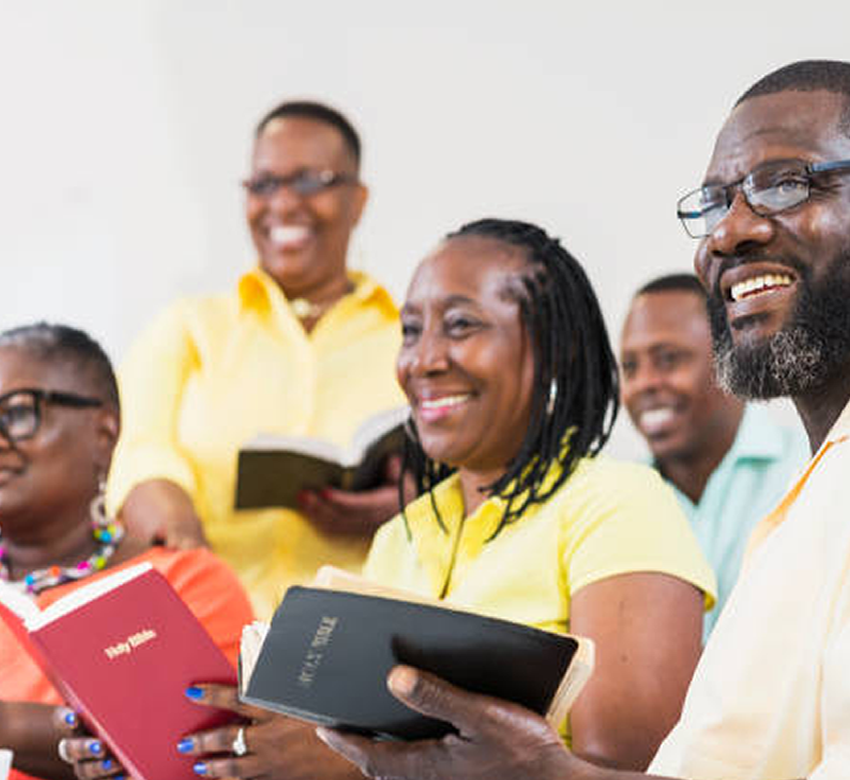
1. Biblical Foundation for Building a Christian Home
Before we look at the practical steps for building a Christian home, it’s essential to understand the biblical foundation for this concept.
- Joshua 24:15: "But as for me and my household, we will serve the Lord." This declaration by Joshua sets the tone for a Christian home—a place where everyone serves and worships the Lord.
- Deuteronomy 6:6-7: “These commandments that I give you today are to be on your hearts. Impress them on your children. Talk about them when you sit at home and when you walk along the road, when you lie down and when you get up.” This passage emphasizes the importance of daily, intentional teaching of God’s Word in the home.
- Ephesians 5:22-33: This passage speaks to the roles of husbands and wives. It calls husbands to love their wives sacrificially as Christ loves the Church and wives to respect and submit to their husbands. A Christian home is one where both spouses honor God’s design for marriage and reflect the love of Christ in their relationship.
- Proverbs 22:6: "Start children off on the way they should go, and even when they are old they will not turn from it." The foundation for raising godly children begins with parents who are committed to God’s Word and teachings.
In short, building a Christian home means that every aspect of family life—relationships, roles, decisions, and discipline—must be rooted in and guided by biblical teachings.
2. Key Elements of a Christian Home
A Christian home is built on several key elements, each contributing to the overall spiritual health and unity of the family.
a. God at the Center
The most important element of a Christian home is making God the center of everything. It means placing God first in your thoughts, decisions, and actions, and ensuring that your home reflects His love and holiness.
- Prayer and Worship: Prayer should be a daily part of family life. Families should pray together, seeking God’s guidance for their relationships, decisions, and challenges. Worshipping together through singing, reading Scripture, or having family devotionals also draws the family closer to God and one another.
- Psalm 127:1: “Unless the Lord builds the house, the builders labor in vain.” This reminds us that a Christian home is built with God’s presence and His Word as the foundation. A family that seeks God’s will in everything is a family that invites His blessings and guidance.
b. Love and Unity
A Christian home is characterized by love and unity—a love that reflects Christ’s sacrificial love for His Church. Unity is essential in fostering peace and harmony in the home.
- 1 Corinthians 13:4-7: This passage describes the qualities of love—patience, kindness, humility, and perseverance. The love between spouses, parents, and children should be modeled after Christ's unconditional love.
- John 13:34-35: “A new command I give you: Love one another. As I have loved you, so you must love one another. By this everyone will know that you are my disciples, if you love one another.” When love is the foundation of a Christian home, it becomes a witness to the world of God’s love.
- Ephesians 4:2-3: “Be completely humble and gentle; be patient, bearing with one another in love. Make every effort to keep the unity of the Spirit through the bond of peace.” Love and unity are nurtured when we are humble, gentle, and patient with one another.
c. Mutual Respect and Honor
In a Christian home, there is a commitment to mutual respect and honor in all relationships, particularly between husband and wife, and between parents and children.
- Ephesians 5:33: “However, each one of you also must love his wife as he loves himself, and the wife must respect her husband.” A strong Christian home is marked by mutual love and respect between spouses. Husbands are called to sacrificial love, while wives are called to respect and support their husbands.
- Ephesians 6:1-3: “Children, obey your parents in the Lord, for this is right. ‘Honor your father and mother’—which is the first commandment with a promise—‘so that it may go well with you and that you may enjoy long life on the earth.’” Children are called to honor and obey their parents, which creates an atmosphere of respect in the home.
- 1 Peter 3:7: “Husbands, in the same way be considerate as you live with your wives, and treat them with respect as the weaker partner and as heirs with you of the gracious gift of life, so that nothing will hinder your prayers.” Respecting one another fosters healthy relationships and ensures that the family lives in harmony.
d. Teaching and Discipleship
A Christian home is a place where teaching and discipleship take place. Parents are the primary spiritual mentors for their children, leading them in the ways of the Lord and instructing them in biblical truths.
- Deuteronomy 6:6-7: Families are to make God’s commandments part of daily life—discussing them when sitting at home, walking, lying down, and rising up. This teaching happens in every aspect of life and is reinforced through the example set by parents.
- Proverbs 4:1-2: “Listen, my sons, to a father’s instruction; pay attention and gain understanding. I give you sound learning, so do not forsake my teaching.” Parents are called to impart wisdom and guidance to their children, not only through instruction but also by modeling godly behavior.
- Psalm 78:5-7: Parents are called to teach the next generation about God's works and His commandments, so that children will place their trust in God and obey His Word.
e. Discipline and Correction
Discipline is an important part of building a Christian home. It’s not about punishment, but about loving correction that helps children grow in character and obedience to God.
- Proverbs 3:11-12: “My son, do not despise the Lord’s discipline, and do not resent his rebuke, because the Lord disciplines those he loves, as a father the son he delights in.” Discipline is a form of love, intended to guide and correct in a way that fosters spiritual growth and maturity.
- Hebrews 12:11: “No discipline seems pleasant at the time, but painful. Later on, however, it produces a harvest of righteousness and peace for those who have been trained by it.” Correcting children in love leads to peace and righteousness in the home.
- Colossians 3:21: “Fathers, do not embitter your children, or they will become discouraged.” Discipline must be carried out with patience, kindness, and encouragement, not in anger or harshness.
f. Serving Others and Hospitality
A Christian home is one that serves others and is open to hospitality. Serving others reflects the heart of Christ, who came not to be served but to serve.
- Matthew 20:28: “The Son of Man did not come to be served, but to serve, and to give his life as a ransom for many.” Families that model Christ’s servant heart are a witness to the love of God in action.
- Romans 12:13: “Share with the Lord’s people who are in need. Practice hospitality.” A Christian home opens its doors to others, providing care, comfort, and support to those in need.
- Galatians 5:13: “Serve one another humbly in love.” Serving others is an expression of humility and love, which should characterize every home.
3. Practical Steps to Building a Christian Home
- Establish Regular Family Devotions: Set aside time each day or week for reading the Bible, praying together, and discussing faith.
- Model Christ-like Behavior: Parents should lead by example, showing kindness, patience, love, and forgiveness in everyday situations.
- Create a Safe and Loving Environment: Ensure that your home is a place of peace, safety, and security, where everyone feels loved and valued.
- Set Boundaries and Expectations: Establish clear expectations for behavior, chores, and responsibilities, and follow through with loving discipline.
- Foster Open Communication: Encourage open and honest conversations about faith, struggles, and life issues, and create a space where everyone can be heard.
- Be Active in Church and Ministry: Serve together as a family in church and community activities, and regularly attend worship services.