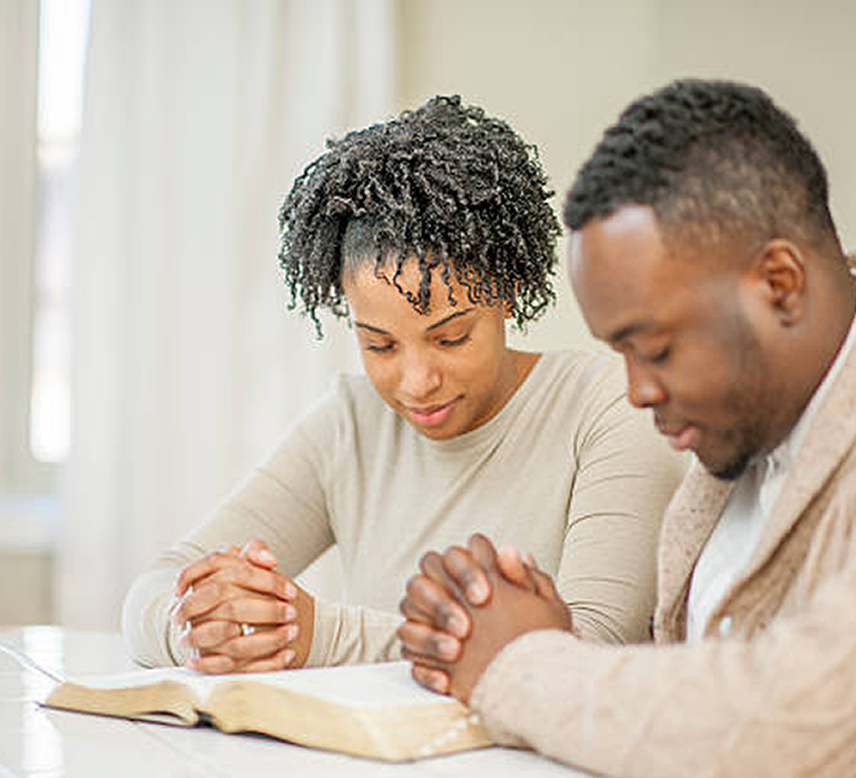
1. Biblical Foundation of Marriage
Before diving into the specifics of counseling, it's crucial to establish the biblical foundation of marriage. The Bible presents marriage as a divine institution designed by God, meant to reflect His glory and fulfill His purposes on earth.
- Genesis 2:24: “That is why a man leaves his father and mother and is united to his wife, and they become one flesh.” Marriage is about becoming one in spirit, mind, and body. It’s a relationship of intimacy, unity, and partnership.
- Ephesians 5:25-33: The Apostle Paul outlines the role of husbands and wives in a marriage. Husbands are called to love their wives sacrificially as Christ loves the Church, while wives are called to respect and support their husbands. This mutual love and respect form the foundation for a healthy marriage.
- Mark 10:9: “Therefore what God has joined together, let no one separate.” Marriage is not just a human contract but a sacred covenant with God at the center, making it unbreakable and enduring.
In marriage counseling, it’s important to remind couples that marriage is not simply about personal happiness, but about fulfilling God’s plan, which includes mutual submission, growth, and service to one another.
2. The Purpose of Marriage Counseling
The purpose of Marriage Counseling is multi-faceted. Here are the key goals:
- Strengthening Relationships: Whether a couple is preparing for marriage or seeking to deepen their connection after years of marriage, counseling helps strengthen their relationship by teaching them effective communication, conflict resolution, and how to build a loving, Christ-centered partnership.
- Healing and Restoration: For couples facing challenges such as infidelity, financial struggles, or emotional distance, counseling provides a space for healing and restoration. It helps couples reconcile, forgive, and rebuild trust, all grounded in biblical principles of grace and forgiveness.
- Preventing Future Problems: Pre-marital counseling is just as essential as counseling for couples in crisis. It helps couples understand each other’s values, expectations, and roles before entering marriage, setting a solid foundation for a lasting relationship.
- Equipping for Healthy Marriage: Counseling equips couples with the tools they need to navigate life together, including decision-making, managing finances, raising children, and maintaining intimacy. It prepares them for challenges and encourages them to grow spiritually, emotionally, and physically together.
3. Key Areas of Focus in Marriage Counseling
Marriage counseling, especially from a biblical perspective, addresses several key areas to promote health and wholeness in the relationship:
a. Communication
Effective communication is essential for a strong marriage. In counseling, couples learn:
- Listening Skills: Often, communication breakdowns happen because one or both partners feel unheard. Couples learn to listen attentively and validate each other’s feelings and perspectives.
- Expressing Needs and Emotions: Partners are encouraged to express their needs, desires, and frustrations in a healthy way, avoiding passive-aggressive behavior or hostility.
- Non-Verbal Communication: Body language, tone of voice, and facial expressions also communicate messages. Counseling helps couples become more aware of these non-verbal cues.
- Ephesians 4:29: “Do not let any unwholesome talk come out of your mouths, but only what is helpful for building others up according to their needs, that it may benefit those who listen.” Communication in marriage should always aim to build up the other person.
b. Conflict Resolution
Disagreements and conflict are inevitable in any relationship, but how they are handled makes a huge difference. Biblical marriage counseling offers tools for resolving conflict in a healthy and constructive manner:
- Ephesians 4:26: “In your anger do not sin. Do not let the sun go down while you are still angry.” Conflict should be dealt with quickly and respectfully, avoiding prolonged bitterness or unresolved issues.
- Forgiveness: A cornerstone of any marriage is the ability to forgive. Counseling helps couples understand the biblical mandate to forgive as Christ forgives us (Ephesians 4:32). Without forgiveness, bitterness and resentment can erode the foundation of a marriage.
- Compromise and Understanding: Couples are encouraged to approach disagreements with a spirit of humility and understanding, prioritizing unity over being “right.”
c. Roles and Responsibilities
Marriage counseling emphasizes understanding the biblical roles of husband and wife:
- Husbands: The Bible calls husbands to lead their families with love, sacrifice, and service (Ephesians 5:25). This means laying down their lives for their wives, providing spiritual and emotional leadership, and being patient and kind.
- Wives: Wives are called to respect and submit to their husbands in love (Ephesians 5:22-24). This does not imply inequality, but rather a partnership where both spouses honor each other’s strengths and roles.
- Shared Responsibility: Marriage counseling emphasizes that both spouses are equal partners in marriage. They should share responsibilities, whether it’s managing finances, raising children, or nurturing their spiritual life together.
d. Intimacy and Affection
Physical, emotional, and spiritual intimacy are important components of marriage. Counseling helps couples:
- Strengthen emotional connection: Emotional intimacy is built on trust, vulnerability, and shared experiences. Couples are encouraged to nurture their emotional bond by spending quality time together, sharing feelings, and supporting each other.
- Develop physical affection: Healthy physical intimacy is a beautiful expression of love and commitment. Counseling addresses how couples can cultivate affection in their marriage, keeping the romance alive.
- 1 Corinthians 7:3-5: “The husband should fulfill his marital duty to his wife, and likewise the wife to her husband.” This passage emphasizes mutual respect and the importance of fulfilling each other’s needs.
e. Parenting and Family Life
Many couples face challenges in parenting and managing family life. In counseling, couples are encouraged to:
- Develop a shared vision for raising children: It’s essential for couples to be on the same page when it comes to parenting values, discipline styles, and expectations.
- Maintain balance: Balancing the demands of family life with time for each other as a couple can be challenging. Counseling helps couples create rhythms of life that allow them to nurture both their marriage and their family.
- Proverbs 22:6: “Start children off on the way they should go, and even when they are old they will not turn from it.” The marriage bond serves as the foundation for raising godly children, so nurturing the marriage benefits the whole family.
f. Spiritual Growth Together
One of the most important aspects of marriage counseling is fostering spiritual unity. Couples are encouraged to:
- Pray together: Regular prayer together strengthens the spiritual connection between husband and wife and keeps God at the center of the relationship.
- Study Scripture together: Couples who study the Bible together grow in spiritual maturity and understanding, which helps them navigate life’s challenges.
- Serve together: Being involved in ministry or serving others as a couple helps them grow in unity and purpose.
- Colossians 3:16-17: “Let the message of Christ dwell among you richly as you teach and admonish one another with all wisdom through psalms, hymns, and songs from the Spirit. Sing to God with gratitude in your hearts.”
4. The Role of the Counselor
As a pastor providing marriage counseling, my role is to:
- Provide biblical guidance: Offer wisdom from Scripture that addresses the couple’s struggles and challenges. The Word of God provides timeless principles for building strong marriages.
- Create a safe environment: Make sure both partners feel heard and respected during the counseling sessions, fostering an atmosphere of openness and honesty.
- Encourage growth and healing: Help couples see areas where they need to grow and work toward healing in their relationship. This may include helping them develop skills in communication, forgiveness, and empathy.
- Pray with and for them: Prayer is a central aspect of marriage counseling, asking God for wisdom, guidance, and strength for the couple’s journey together.
5. Conclusion
Marriage counseling is a powerful ministry that helps couples build strong, Christ-centered relationships. It is not about fixing problems overnight but guiding couples to align their hearts with God’s will and principles for marriage. By addressing key areas such as communication, conflict resolution, roles, intimacy, parenting, and spiritual growth, marriage counseling helps couples experience the fullness of what God intended for their relationship—love, unity, and mutual growth.